


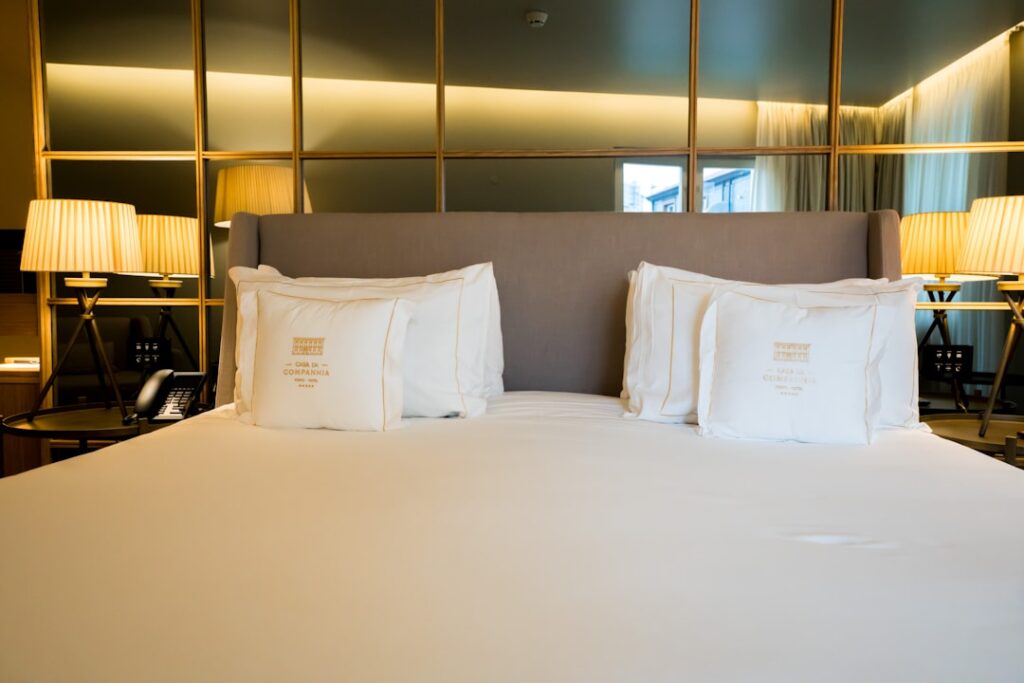
If you manage or design a small property, boutique hotel amenities are never just extras. They shape the first impression, the mood of the room, and the memory a guest takes home after checkout.
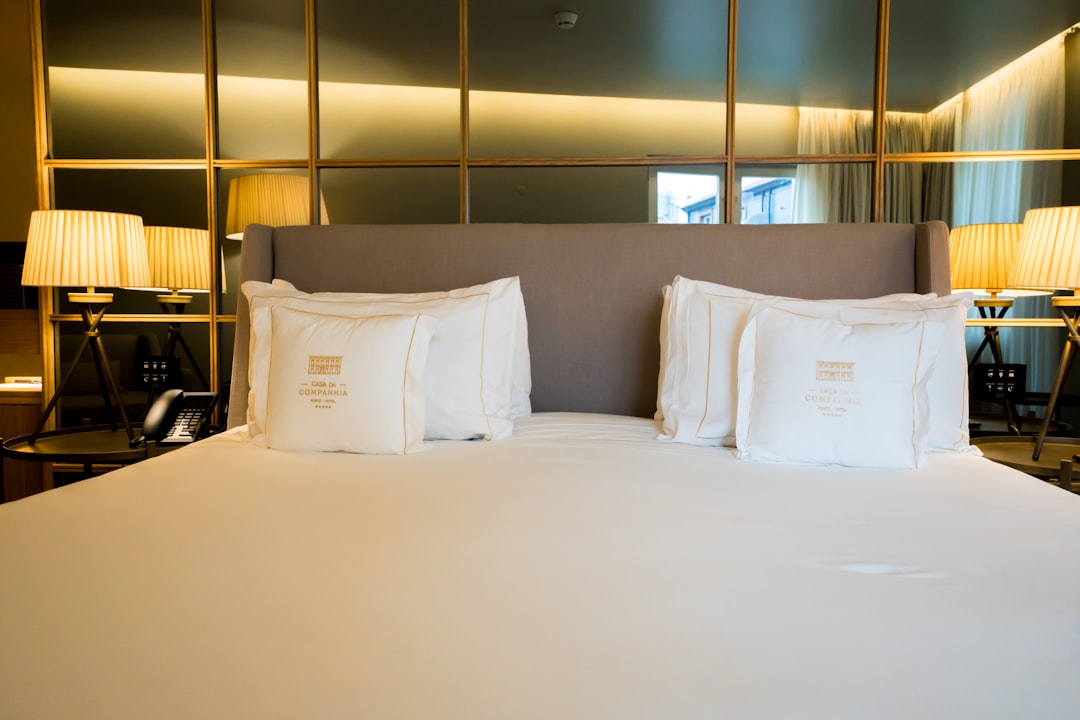

That is why the best amenity plans are not built around buying more things. They are built around making a stay feel calmer, easier, and more considered. A guest usually does not remember every item on the tray. They remember whether the room felt ready for them, whether the shower worked without fuss, and whether the property seemed to understand the kind of traveler it was serving. If you are planning a refresh, you can also browse our hotel accommodation guide for more planning ideas.
Why boutique hotel amenities matter more than a long list
It is easy to think guests want more options, but small properties rarely win by piling on features. They win by choosing the right details and placing them where they matter. A compact room with good lighting, a useful bedside shelf, and one excellent coffee setup can feel more generous than a room filled with random objects.
That is the real job of boutique hotel amenities. They help a property tell a clear story. A design-led city hotel can lean into sleek accessories, precise lighting, and locally sourced drinks. A seaside inn might focus on practical storage, quick-dry towels, and sand-friendly flooring. A heritage property could use amenities that echo the building’s history without feeling like a museum.
The risk is overcorrection. Some owners try to impress guests with too many choices. The result is clutter, higher operating costs, and more housekeeping work. Other owners go too far in the opposite direction and strip the room back until it feels unfinished. Guests notice that too. They may not say, “This room lacks an amenity strategy,” but they will feel the absence.
I find it helpful to think in terms of friction. Which small frustrations can you remove before the guest even notices them? A luggage rack placed where it is actually useful. A power outlet near the desk. A mirror with good light. A simple tray that keeps loose items from spreading across the room. The right details reduce effort, and reduced effort feels like luxury.
When the mix is right, boutique hotel amenities support the room’s design instead of competing with it. That balance is what makes a property feel coherent.
How to choose boutique hotel amenities that feel intentional
The best way to choose amenities is to start with a guest profile, not with a catalog. Who stays here most often? Business travelers want speed and function. Weekend leisure guests want comfort and atmosphere. Couples may care about mood, while solo travelers may care about safety, storage, and convenience. Families usually need flexibility more than ornament.
Once the guest profile is clear, sort every amenity into one of three groups. The first group is essential. These are the things a guest expects to work without thinking about them. The second group is supportive. These make the room easier to use. The third group is memorable. These are the touches that feel local, personal, or distinctive.
This simple filter helps prevent random purchases. If an item does not solve a real problem, improve the experience, or add a strong sense of place, it may not belong. A small hotel does not need every object that appears in a trend report. It needs a short, clear list that matches its identity.
Local connection is useful here, but only when it is genuine. A welcome snack from a nearby bakery can feel thoughtful. A minibar filled with generic “artisan” items that have no link to the area feels manufactured. Guests can tell the difference. They usually appreciate authenticity more than novelty.
Another useful test is maintenance. If an amenity looks good on day one but becomes expensive or fragile by week three, it needs a second look. Delicate packaging, hard-to-clean materials, and complicated refill systems all create hidden costs. Good boutique hotel amenities should be attractive, easy to replace, and simple to keep presentable.
When in doubt, ask the housekeeping team, the front desk team, and a few repeat guests. They see different parts of the experience. The people who live with the room every day often know more than the people who approved the purchase.
Room amenities that make stays easier
In the guest room, usefulness beats novelty almost every time. The room should answer basic needs quickly. Can the guest charge devices without moving furniture? Can they read in bed without creating glare? Can they put down a laptop, a book, a water glass, and still have space left?
Start with lighting. A single overhead fixture is rarely enough. A good room usually needs layered light: general light, reading light, and softer evening light. Guests should be able to adjust the room from work mode to rest mode without fumbling for switches. Bedside lighting should be easy to reach from the pillow. That simple decision improves the whole stay.
Storage matters too. Even a stylish room feels better when there is somewhere to place a suitcase, a coat, and a day bag. Hooks, shelves, and open surfaces often do more than large wardrobes in compact rooms. If the hotel is small, smart storage is one of the most valuable boutique hotel amenities because it keeps the room from feeling crowded.
Tech should support the stay, not dominate it. Guests appreciate accessible outlets, reliable Wi-Fi, and clear instructions for using the television or thermostat. There is nothing luxurious about having to call the desk to figure out basic controls. A brief room guide, placed where people can actually see it, can save time for both guests and staff.
Coffee and water are also worth attention. A neat kettle or coffee station, a couple of durable cups, and enough water for the first night can make arrival feel smoother. If the property uses capsules, pods, or a pour-over setup, the quality needs to match the rest of the room. Cheap equipment is obvious.
Think of the room as a working environment that also needs to rest. If the room can support both modes without effort, guests will feel looked after. That feeling does more for a property than a shelf full of decorative objects ever could.
Bathroom details guests notice right away
The bathroom is often where guests decide whether a property feels polished or merely styled. It is a practical space, so small faults stand out. A loose towel rail, weak water pressure, poor lighting, or a mirror that fogs instantly can undo the effect of an otherwise attractive room.
Bathroom boutique hotel amenities should begin with the basics done well. Towels need to feel substantial and dry quickly. Toiletries should be pleasant to use, but not so heavily scented that they overwhelm the room. Dispensers can work well if they are clean, sturdy, and mounted neatly. If the property uses individual bottles, they should look intentional rather than mismatched.


Storage is often overlooked in smaller bathrooms. A guest needs somewhere for glasses, contact lens cases, cosmetics, a razor, and daily toiletries. If the room has no cabinet, a narrow shelf or tray can solve the problem. Hooks matter too. Guests rarely complain about too many hooks.
Ventilation deserves more attention than it usually gets. A bathroom that clears steam slowly feels less comfortable, and it also makes towels and surfaces harder to manage. Good extraction, a working window where possible, and materials that tolerate humidity are part of the amenity plan whether they are visible or not.
The hair dryer is another detail that can quietly change the experience. Many hotels still provide units that are awkward to hold, weak, or badly placed. A dependable dryer, stored where it is easy to find, tells the guest that the room was planned by someone who has actually stayed in it.
If you want the bathroom to feel premium without adding clutter, focus on consistency. Keep the tray tidy. Match finishes. Use products that fit the property’s identity. A bathroom full of fragmented decisions feels cheaper than a simpler bathroom with a clear point of view.
Food and drink touches that feel local without becoming clutter
Food and drink are among the easiest places to add character, but they can also get messy fast. A minibar packed with random snacks is not a strategy. A thoughtful drink tray with one or two local items, however, can feel memorable and easy to manage.
For smaller properties, the goal is often a short list with a clear purpose. One hot drink option. One water option. One local snack. Maybe one item that feels special to the property itself. That is enough in many cases. Guests do not need a miniature supermarket. They need a few things that feel available, clean, and intentional.
Breakfast is part of the same conversation. If the property offers it, the format should reflect the kind of hotel it is. A small boutique hotel might do better with a concise, high-quality breakfast than a sprawling buffet with half-used trays. Fresh pastries from a local bakery, seasonal fruit, and one or two hot items can feel far more elegant than a large spread that looks tired by midmorning.
Service style matters here. Some guests like the privacy of in-room drinks. Others want a lounge or social area where they can sit with coffee before heading out. The amenity plan should match the rhythm of the property. A city hotel with short stays may prioritize speed. A countryside property may use food and drink to encourage guests to linger.
Also think about waste. Opened packaging, overfilled trays, and drinks that expire before they are used all create cost and spoil the presentation. A good system keeps the refresh cycle simple enough that staff can maintain it without guesswork.
When food and drink are handled well, they do not just feed people. They make arrival easier, mornings smoother, and the property feel more connected to its location.
boutique hotel amenities that support personalization
boutique hotel amenities work best when they make a room feel tuned to the guest rather than identical for everyone. Personalization does not require a complicated software setup. Often it starts with small choices that show attention.
One guest may want an extra pillow, while another wants a firmer mattress topper. A business traveler may need a desk lamp and a charging cable. A leisure guest may appreciate a bath soak, a snack, or a handwritten note pointing them toward a nearby café. These are small signals, but they add up.
The trick is to make personalization repeatable. If every request requires a different workaround, the team will struggle to deliver it consistently. Better to create a simple menu of options. Perhaps guests can request a choice of pillow types, a tea selection, a softer robe, or a workspace kit. When the options are clear, staff can respond quickly and confidently.
Digital pre-arrival forms can help, but they should not replace human judgment. A friendly check-in conversation often reveals more than a form ever will. Did the guest mention an early meeting? Are they celebrating something? Are they travelling with children? A well-trained front desk team can turn that information into practical actions.
Personalization also includes atmosphere. Temperature, scent, music in public spaces, and the way staff place items in the room all affect how personal a stay feels. A property does not need to over-describe itself as “bespoke.” It only needs to behave as if the guest’s comfort matters.
One mistake I see often is treating personalization as a luxury add-on reserved for higher room categories. In reality, the basics should be adjustable whenever possible. A hotel that can adapt pillows, lighting, and refreshments without drama feels far more refined than a property with expensive decor and no flexibility.
Sustainability without looking stingy
Guests are increasingly aware of waste, but they still notice when a hotel appears to cut corners. Sustainable choices work best when they feel considered, not cheap. That balance is especially important in boutique properties, where every visible detail contributes to the brand.
Refillable dispensers are a good example. Used well, they reduce packaging and keep the bathroom tidy. Used badly, they look industrial or neglected. The dispenser itself should be attractive, durable, and easy to clean. The staff should have a clear refill and inspection process so the setup always looks fresh.
Linens and towels are another area where judgment matters. Guests appreciate a property that handles laundry thoughtfully, but they also expect comfort. A towel that feels thin because it has been overused does not read as responsible. It reads as tired. The better approach is rotation, inspection, and replacement before quality slips.
Energy use is worth managing, but communication matters. Guests are more receptive when the message is practical and respectful. A clear note about towel reuse or room energy settings can work if it is brief and honest. Long moralizing messages tend to backfire. People do not want to feel scolded after they have paid for a room.
Local sourcing can also support sustainability if it is genuine. Buying from nearby suppliers reduces transport, keeps money in the local economy, and can give the property a stronger identity. But local alone is not enough. The product still has to be good, consistent, and easy to replenish.
A useful question is whether the sustainable choice improves the guest experience. If it does, adoption is easy. If it only benefits the balance sheet or creates extra work for staff, guests will usually feel the difference. Good sustainability in hospitality is quiet. It feels like common sense, not a lecture.
Keeping amenities fresh: storage, cleaning, replacement, inspection
The most attractive amenity plan can fail if the operational side is weak. Guests do not see the purchasing decision. They see the condition of the item in front of them. That means storage, cleaning, replacement, and inspection are just as important as selection.
Start with storage. If backup amenities are stored in a disorganized stockroom, items will go missing, packaging will get damaged, and replenishment will slow down. Clear labeling, tidy shelves, and a simple inventory method make a real difference. Housekeeping should be able to find what they need quickly, without sorting through unrelated supplies.
Cleaning routines matter in every visible area. Trays, dispensers, glassware, kettles, and control panels need regular inspection. Fingerprints and dust are minor problems when they are caught early. They become major problems when they are left long enough to feel like neglect. A room can be beautiful and still feel uncared for if the small surfaces are ignored.
Replacement timing is another hidden skill. Some properties wait until an item is clearly broken before they replace it. By then, the guest has already noticed the wear. Better to use a condition-based approach. If towels thin out, finishes chip, labels fade, or dispensers become scratched, the item should move into a replacement queue before complaints start.
Inspection should be systematic. A room check before arrival is not just about cleanliness. It is about confirming that every amenity is in the right place, works properly, and matches the room standard. One missing cup or one dead remote battery can make an otherwise good stay feel sloppy.
Documenting small issues also helps. If guests keep asking for the same item, that is a sign the room setup is incomplete. If one amenity repeatedly creates maintenance problems, that is a sign it should be redesigned or removed. Operations improve when feedback is recorded instead of remembered vaguely.
How to measure whether the amenities are working
Amenity decisions should not be based on taste alone. What looks elegant to an owner may be ignored by guests. What seems minor to management may be mentioned repeatedly in reviews. The best properties look at evidence from several angles.
Guest surveys are useful, but they work best when questions are specific. Instead of asking whether guests liked the room, ask which part of the room felt easiest to use, which item they noticed most, and what they would change. Specific answers are easier to act on than general ratings.
Online reviews are another source, especially if certain words keep appearing. “Great lighting,” “comfortable bed,” “nice coffee,” “bathroom felt dated,” and “nowhere to put luggage” are all actionable signals. Repetition matters more than a single comment. When multiple guests mention the same thing, the property has a pattern to fix or protect.
Housekeeping and front desk staff are also part of the feedback loop. They hear requests, complaints, and informal praise that never makes it into a survey. A weekly five-minute check-in can reveal whether a new amenity is working or creating unnecessary work.
Repeat bookings can tell you a lot as well. If a room category is strong, it may not be because of one dramatic feature. It may be because the full combination of details is easy to live with. Guests often return to properties where they had a smooth stay, even if they cannot explain why in one sentence.
It helps to review the results by room type and by guest segment. Business travelers, couples, and families may react differently to the same setup. That is why amenity strategy should be reviewed as part of the wider property plan, not treated as a one-time purchase. The same logic applies if you are comparing room setups across a wider portfolio of hotel accommodation options.
A practical amenity checklist for small hotels
A checklist keeps the plan grounded. It reminds the team that boutique hotel amenities should be useful, durable, and easy to maintain before they are beautiful.
- Can a guest charge devices from the bed or desk without moving furniture?
- Does the room have enough light for reading, working, and relaxing?
- Is there a clear place for luggage, coats, and daily items?
- Are water, coffee, or tea set up in a way that feels neat and intuitive?
- Do bathroom items feel consistent in quality and easy to use?
- Are storage, hooks, and surfaces adequate for everyday travel habits?
- Can housekeeping reset the room quickly without extra steps?
- Do local touches feel authentic rather than decorative?
- Is there a simple process for restocking, cleaning, and replacing worn items?
- Would a repeat guest recognize the property’s point of view within the first few minutes?
If the answer to several of those questions is no, the amenity plan probably needs simplification, not expansion. Remove the items that do not earn their place. Strengthen the ones that reduce friction. Bring the whole setup back to one idea.
That idea is not “more.” It is “better chosen.” Guests remember when a room feels quietly competent. They notice when the details have been placed with care and refreshed on time. They notice when the property has a point of view and the operations behind it are solid enough to support that point of view every day.
That is what gives a small property its edge. Not excess. Not noise. A short list of details that do their job well and help the stay feel complete.
In the end, the strongest properties treat amenities as part of the hospitality experience itself, not as a final shopping list. That is the difference between a room that looks furnished and a room that feels ready.