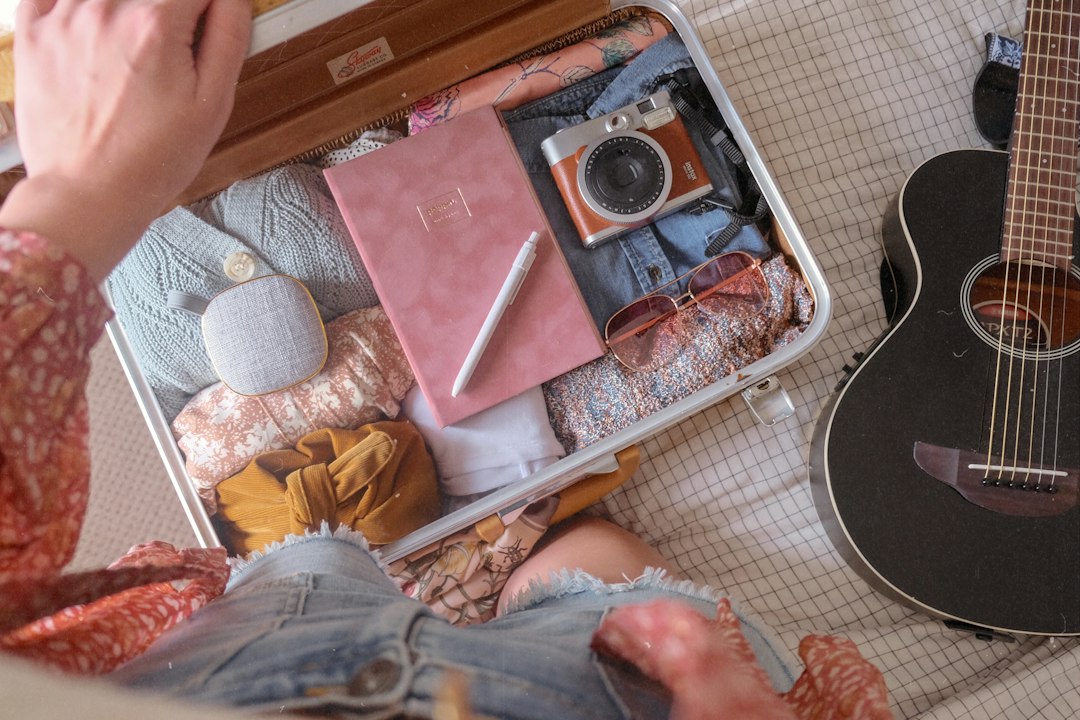
This guide uses travel fashion trends as the starting point for the practical advice below. Travel fashion trends are shifting toward clothes that earn their place in a suitcase. Travelers want outfits that look considered in photographs, feel comfortable on long journeys, and adapt to weather, walking, restaurants, and local customs. The strongest wardrobe is rarely the largest one. It is a compact system of pieces that can be repeated, layered, washed, and restyled without losing its character.
I learned this after packing for a short city break with three pairs of shoes, two jackets, and far too many special outfits. The suitcase was heavy, yet I kept reaching for the same soft trousers, cotton shirt, and worn-in sneakers. That small failure changed how I plan travel clothes. I now choose garments by the number of situations they can handle, not by how exciting they look for one imagined evening.
This guide explains how to build that kind of wardrobe. It covers current style directions, capsule planning, fabric choices, airport dressing, walking shoes, accessories, color, cultural awareness, clothing care, and a practical packing checklist. For more destination planning ideas, see the Tourism Planning World travel guide before choosing your final outfits.
travel fashion trends: Why travel style is becoming more practical
Travel clothing has moved between two familiar extremes. One version focuses on polished resort pictures, with garments bought for one trip and rarely worn again. The other focuses so heavily on function that the traveler feels disconnected from personal style. A newer approach sits between them. It asks clothing to be useful without looking like uniform equipment.
Several pressures are shaping this change. Carry-on limits make overpacking expensive and inconvenient. City trips involve long walks, stairs, public transport, and changing plans. A mild morning can become a cool evening, while a sunny forecast may still include rain. Travelers are also more aware of cost per wear and the waste created by buying a new outfit for every destination.
Practical style does not mean dull style. A relaxed trouser can have an unusual pleat or a rich color. A rain shell can be cut like a short coat. A simple dress can gain personality from a scarf, belt, or textured bag. The aim is to make the base wardrobe dependable so that one or two expressive details have room to stand out.
A useful test is the three-situation rule. Before packing an item, name three realistic moments when you could wear it. A shirt might work for breakfast, sightseeing, and dinner beneath a jacket. A pair of sandals might work at the beach, on a warm evening, and with loose trousers. If an item has one narrow purpose, keep it only when the itinerary genuinely requires that purpose.
Travel fashion trends to watch this season
The most useful travel fashion trends are less about copying a runway silhouette and more about borrowing practical ideas. Relaxed tailoring is replacing rigid suits in many travel wardrobes. Drawstring trousers, soft blazers, knit polos, and unstructured overshirts create a polished outline without restricting movement. They can be dressed up with loafers or made casual with clean sneakers.
Utility details are also appearing in quieter forms. Instead of large cargo pockets and loud technical branding, look for secure inside pockets, adjustable cuffs, breathable panels, and fabrics that fold well. A shirt jacket with one useful pocket may be more versatile than a heavily detailed field jacket. The feature matters when it improves the day, not merely when it signals an outdoor aesthetic.
Matching sets remain popular because they make outfit planning easy. The better versions can be separated into several looks. A washed cotton shirt and matching trouser should each work with denim, knitwear, or a different neutral. A knit skirt and polo can become two independent pieces. If a set only looks good together, it is taking up the space of one outfit rather than creating several.
Color is becoming more expressive. Base wardrobes still rely on navy, cream, black, grey, denim, tan, and olive, but accents such as tomato red, butter yellow, cobalt, soft lilac, and moss green add energy. Use these colors where they are easy to repeat, such as a scarf, knit, shirt, or bag. A single accent can change several quiet outfits.
Accessories are doing more work because clothes are becoming simpler. A scarf can add color, cover the shoulders, or become a light wrap. A compact crossbody can sit inside a larger tote during transit. Sculptural earrings, a woven belt, or distinctive sunglasses can make a repeated outfit feel deliberate. Choose trends as tools, not obligations.
Build a travel capsule wardrobe around outfit formulas
A capsule wardrobe is easier to plan when you think in formulas rather than isolated garments. A formula is a repeatable structure that can accept different fabrics and colors. One example is a relaxed trouser, fitted tank, open shirt, and flat shoe. Another is a midi skirt, fine knit, cropped jacket, and walking sneaker. Once the structure works, you can vary the visible pieces without starting from zero each morning.
For a five-day city trip, begin with two bottoms, four tops, one dress or one-piece outfit, one light layer, one weather layer, two pairs of shoes, sleepwear, underwear, and a small group of accessories. This is a starting point rather than a rule. A beach trip may need swimwear and sandals. A business itinerary may need a sharper jacket and formal shoes. The point is to decide deliberately.
Use a base-color family. Navy, cream, denim, and tan create a calm combination. Black, white, grey, and red feel sharper. Olive, stone, chocolate, and rust create a warmer mood. Most items should connect to that base, while one or two accents provide contrast. You do not need every color to match exactly. Similar undertones are usually enough.
Plan outfits on the bed before packing. Place each combination together, including shoes and accessories. Take quick photographs, especially if you will have early departures or busy mornings. Photographing the outfits also reveals weak links. If one top works with only one bottom, or if a jacket clashes with half the suitcase, you can replace it before departure.
Keep one complete arrival outfit near the top of the bag. It might include soft trousers, a breathable shirt, a light layer, underwear, and the shoes you expect to wear first. If checked luggage is delayed or you arrive too tired to unpack, this small decision removes unnecessary stress.
A capsule should still include personality. Choose one memorable item, such as a printed shirt, bright scarf, unusual earrings, patterned socks, or a bag with texture. A quiet wardrobe needs a focal point. Without one, every outfit can feel like a compromise.
Compare fabrics for comfort, packing, and care
Fabric determines how clothing behaves after a flight, a train ride, a hot afternoon, or a quick wash. Linen is breathable and handles warm weather well. It wrinkles, but light creasing suits its relaxed character. Linen trousers with a little structure may look better after travel than a very thin pair that collapses around the knees. Pack linen loosely and hang it soon after arrival.
Merino wool is useful for cool or changeable destinations. A thin merino sweater can work as a base layer, a shoulder layer, or an evening top. It is often comfortable across a broad temperature range and can reduce the need for several heavier pieces. Check the weight carefully. A thick sweater may be pleasant at home but consume a large part of a small suitcase.
Cotton poplin, cotton jersey, and cotton blends remain dependable choices. Poplin shirts look crisp and are often easy to wash. Jersey dresses and tops are comfortable on transit days, though very thin fabric may cling or reveal every fold. Medium-weight jersey usually travels better because it has enough structure to recover after sitting.
Technical fabrics now come in less sporty shapes. Stretch trousers, quick-drying shirts, and lightweight shells can look appropriate in an urban setting when the branding and shine are restrained. Inspect a garment in daylight. Ask whether the pockets are useful, whether the fabric attracts lint, and whether it will work with your existing shoes.
Denim is durable but often heavy. A single pair can be worthwhile if you wear it frequently, but packing two pairs rarely makes sense for a short trip. Lightweight twill, cotton-linen blends, and travel trousers can provide a similar visual role with less bulk. Leather jackets look stylish but may be too heavy for a warm destination, so consider a cotton overshirt or unlined jacket.
Test fabrics at home. Sit for an hour, walk around, fold the garment, and inspect it later. Wash a sample or the whole piece according to the care label. A fabric that behaves well in your own bathroom is a better choice than one purchased at the airport because it seems suitable in theory.
Plan comfortable airport outfits without losing shape
The airport outfit needs flexibility rather than theatrical performance. A soft trouser, breathable tee, open overshirt, and supportive shoe can handle security lines, delays, cold cabins, and a late arrival. Add a cardigan or scarf if you tend to feel cold in transit. The best outfit is one that remains presentable when the journey takes several hours longer than planned.
Do not wear every bulky item simply to reduce luggage weight. A large coat, heavy boots, and multiple thick layers may save space but create discomfort through security and on the aircraft. Wear the largest practical layer, then carry a foldable tote for anything you remove. A light jacket that compresses into a bag may be more useful than a heavy sweater.
Pay attention to waistbands and seams. Drawstring or elastic-back trousers can be comfortable, but they should have enough structure for arrival. Wide-leg trousers offer movement and a current silhouette, while straight-leg trousers work with more shoe shapes. Avoid decorative hardware that catches on seats or makes the waistband uncomfortable.
Pockets should not carry the whole burden of travel security. Passports, phones, cards, and boarding documents are safer in a closed crossbody or small shoulder bag that stays close to the body. Look for a comfortable strap, reliable closure, and enough room for the items you actually carry. An overfilled bag becomes as tiring as an uncomfortable shoe.
Temperature changes are easier to manage when layers have different weights. A cotton tee handles warmth, an overshirt adds modest insulation, and a thin knit or scarf helps in a cold cabin. Avoid combining several pieces that cannot be worn separately. Every layer should make sense on its own after arrival.
Keep a change of underwear and a fresh top in your personal bag on longer journeys. This is a small comfort if your luggage is delayed or you need to feel refreshed before checking in. Pack a stain-removal wipe and a small laundry bag beside them.
Dress for walking, weather, and real itineraries
City travel rewards clothes that look good while moving. A long skirt may be attractive but awkward on steep stairs. A cropped jacket may look sharp but leave you cold after sunset. Think about the route rather than the destination photograph. Pavement, hills, public transport, museum seating, outdoor cafés, and unexpected rain all affect what you will reach for.
Layering solves many of these conflicts. A sleeveless dress can work alone in warm weather, beneath an open shirt during the afternoon, and with a thin sweater at night. A lightweight shell can sit over a jacket without replacing the entire outfit. A knit vest adds warmth with less bulk than a sweatshirt. A long-sleeve shirt can protect from sun while also working as an evening layer.
Plan for the temperature at the least comfortable part of the day. If mornings are cool but afternoons are hot, the first layer should be easy to carry. If rain is common, choose a bag with some weather resistance and avoid building the whole wardrobe around pale suede shoes. A small umbrella may be more practical than packing a second jacket, depending on local conditions and luggage space.
Walking shoes can now fit naturally with dresses, skirts, and trousers. Clean leather sneakers, supportive trainers, low-profile sandals, and soft loafers are useful choices. Break them in before departure. Walk on stairs and hard floors, and test them with the socks you plan to pack. A shoe that feels fine for ten minutes may feel very different after a full day.
Keep a small repair kit. A needle, thread, safety pin, stain-removal wipe, spare button, and tiny pair of scissors can solve ordinary clothing problems. Check airline rules before packing scissors in cabin luggage. A compact sewing kit is most useful when it matches the garments you are actually carrying.
Choose shoes with a clear decision process
Shoes are heavy, take up awkward space, and rarely serve every activity equally well. A three-pair limit works for many trips: one main walking pair, one flexible everyday pair, and one option for dressier plans or specific weather. A hiking itinerary or formal event may require an exception, but each added pair should have a clear job.
Start with the itinerary rather than the clothes. A coastal trip may need sandals and water-friendly shoes. A winter city break may require weather-resistant boots. A business trip may need formal footwear. Once you know the dominant activities, choose the most frequently useful pair first and build outfits around it.
Neutral shoes are simple to style, but they do not have to be plain. A textured loafer, cream trainer, brown sandal, or dark green sneaker can add character while remaining flexible. If you choose a strong color, repeat a small trace of it in a scarf, belt, bag, or shirt detail. This creates visual connection without matching every item.
Pack shoes in washable bags. Place socks, belts, or small accessories inside them to use empty space. Put the heaviest pair near the suitcase wheels and keep delicate clothing away from soles. If you pack boots, stuff the ankles with soft items so they hold their shape.
Consider how shoes affect your posture and energy. A beautiful shoe that makes you shorten your stride will change the whole day. Comfort is not separate from style. It affects how you stand, walk, and respond to an invitation to explore one more street.
Inspect shoes before leaving. Check the sole, laces, fasteners, and interior lining. Pack blister pads or comfortable socks if you are prone to friction. These items are small, while replacing an unsuitable pair abroad may be expensive or difficult.
Use accessories and color to create variety
Accessories create the largest visual change for the smallest packing cost. A scarf can be worn around the neck, tied to a bag, used as a head covering, or draped over the shoulders. A belt can change the shape of a loose dress or give definition to wide trousers. Earrings and a watch can move a simple daytime outfit toward dinner.
Choose accessories with more than one role. A medium tote can carry a camera, water bottle, cardigan, and book during the day. A smaller crossbody can handle dinner. A scarf can provide modest coverage at a religious site, shade from strong sun, or warmth on a train. A soft cap can protect from bright weather if it fits securely and packs flat.
Jewelry is easier to manage when you limit the number of finishes. Choose one pair of everyday earrings, a watch or bracelet, and one expressive piece. Store them in a soft pouch with separate compartments. Chains placed loose in a toiletry bag tend to tangle, while delicate surfaces can scratch against coins or chargers.
Color planning makes a small wardrobe feel larger. Select two or three base shades and one or two accents. A cream, navy, and denim foundation can take red, green, or yellow. A black and stone wardrobe can use cobalt, orange, silver, or lilac. Warm cream works well with tan, rust, and olive, while cool white often suits grey, navy, and silver.
Prints need a similar plan. One patterned item can act as the visual anchor. If you bring two prints, vary their scale or give them one shared color. A patterned shirt can work with quiet trousers, under a plain jacket, or open over a simple dress. The rest of the outfit does not need to compete.
Before closing the suitcase, remove one item from each category. Many people pack for an imaginary traveler who attends more dinners, changes clothes more often, and tolerates less repetition than the real person. Edit for your actual itinerary, walking habits, and appetite for laundry.
Take local style cues with cultural awareness
Travel invites experimentation, but dressing for a place should involve observation rather than costume. Notice what residents wear in ordinary settings, not only what appears in tourist photographs. Look at proportions, colors, fabric weights, and the way people adapt clothes to weather. A neighborhood market, business district, beach town, and place of worship may each have different expectations.
Use local inspiration in small ways. A color noticed in tilework might appear in a scarf. A relaxed shirt shape might influence your outfit. A woven bag could replace a familiar leather tote. These choices feel natural when they are combined with pieces already belonging to your wardrobe.
Research clothing expectations before departure. Religious buildings, traditional neighborhoods, formal venues, and some public spaces may call for covered shoulders, covered knees, or less transparent fabric. A lightweight overshirt, long skirt, or loose trousers can give you flexibility without requiring a second full wardrobe.
Comfort and respect sometimes point in the same direction. Loose breathable layers can feel better in hot weather and provide suitable coverage. A scarf or light wrap can fit in a day bag. Neutral trousers and a collarless shirt may be useful for a range of settings. Plan these choices before you arrive rather than trying to improvise outside a venue.
Local shopping can add meaning to a trip, but inspect an item before buying. Ask how it should be washed, whether the size may change, and whether it connects to your existing clothes. Check the construction, seams, and closure. A souvenir that works with your wardrobe is more likely to be worn for years than a dramatic piece chosen only because it feels exotic in the moment.
Care for clothes while traveling
Clothing care starts before departure. Wash selected garments, repair loose seams, check care labels, and pack everything fully dry. Slightly damp clothing can develop odors in a closed suitcase, especially in warm conditions. Remove items from the dryer or drying rack only when they are completely dry.
Choose a packing system that matches your habits. Packing cubes by category make it easy to find tops, underwear, or sleepwear. Packing by outfit makes mornings faster. A hybrid system often works well. Keep underwear and sleepwear together, place accessories in a pouch, and keep one complete outfit near the top of the case.
Hang clothes as soon as you arrive. Light bathroom steam may relax some wrinkles, but keep delicate fabrics away from direct heat and do not assume every material responds well to steam. A small spray bottle of water can smooth cotton or linen. Test an unfamiliar fabric on a hidden area first.
Sink washing can reduce the number of garments you need, but allow enough time for drying. Use a small amount of suitable detergent when permitted, rinse thoroughly, and roll the garment in a towel to remove excess water. Hang it where air can circulate. Do not place damp laundry beside clean clothing. A separate washable bag is useful for worn pieces.
Stains are easier to manage when addressed early. Blot rather than rub, use a suitable wipe, and check the fabric label before applying anything stronger. Avoid experimenting with harsh products on silk, wool, suede, or dyed fabrics. A small dark or patterned item may be easier to manage on long travel days than a delicate pale garment.
At home, unpack promptly. Air out shoes and bags, empty every pocket, and follow the care instructions for clothing that needs washing or professional cleaning. Record what you wore most, what caused discomfort, and what stayed untouched. That record becomes a personal packing guide based on evidence rather than aspiration.
Build a wardrobe that lasts beyond one trip
Seasonal ideas can refresh a travel wardrobe, but frequent replacement is not required. Put most of your budget toward pieces that receive regular wear. A well-cut trouser, breathable shirt, dependable layer, useful bag, and comfortable shoe often provide more value than several novelty items.
Inspect construction before buying. Look at seams, buttons, zippers, lining, hems, and fabric recovery. Sit down, raise your arms, walk, and bend. Travel exposes weak construction because garments experience movement, folding, and washing more often than they do during a normal week at home.
Secondhand shopping can work well for travel clothing. Search for sturdy jackets, natural-fiber shirts, classic bags, durable trousers, and lightly worn shoes. Inspect underarms, hems, soles, closures, and pockets. Older pieces can have excellent fabric and distinctive details, but condition matters more than the label.
Alterations can improve the value of clothes already in your wardrobe. Shortening trousers, replacing a button, adjusting a strap, or changing a hem may cost less than buying another garment. Better fit also increases the number of situations in which you will wear the piece.
Keep a short post-trip note with the destination, weather, activities, items worn repeatedly, and items left untouched. Add one sentence about shoes and one about laundry. Over time, this becomes a reliable guide to your best silhouettes, fabrics, colors, and packing habits.
A practical packing checklist
Three days before departure, review the itinerary and weather. Mark formal occasions, active days, likely temperature changes, and local dress expectations. Choose shoes first, then build clothing around them. This prevents the common mistake of packing attractive outfits that cannot be worn comfortably with the available footwear.
Two days before departure, wash and repair the selected pieces. Test outfit combinations and photograph them. Confirm that each accessory works with more than one look. Set aside a transit outfit with a comfortable layer, secure bag, and easy-to-remove shoes if appropriate.
The day before departure, pack by weight and access. Put heavier items near the suitcase wheels. Keep documents, valuables, chargers, and other essentials in the appropriate personal bag. Place a light layer and arrival outfit where they are easy to reach. Add a laundry bag, small repair kit, and any clothing-care items you genuinely use.
Use this final checklist before closing the case.
- Every top works with at least two bottoms or one bottom and a layer.
- Every pair of shoes has a clear purpose connected to the itinerary.
- There is one outfit suitable for the first few hours after arrival.
- The wardrobe includes a layer for the coolest realistic temperature.
- At least one item can handle a quick wash or repeated wear.
- Accessories add variety without creating a separate styling problem.
- Clothing respects the settings and customs you plan to visit.
- There is room for worn laundry and, if desired, one small purchase.
Ask four final questions. Can I create enough outfits for the number of days? Can I handle the expected weather? Can I walk comfortably in my shoes? Do these clothes still feel like me? If one answer is no, edit before adding anything else.
The best travel wardrobe supports the day instead of competing with it. It lets you leave the hotel, follow an unexpected street, sit outside longer than planned, and accept a last-minute dinner without a suitcase full of decisions. That balance is the lasting value behind the season’s most useful travel fashion trends.