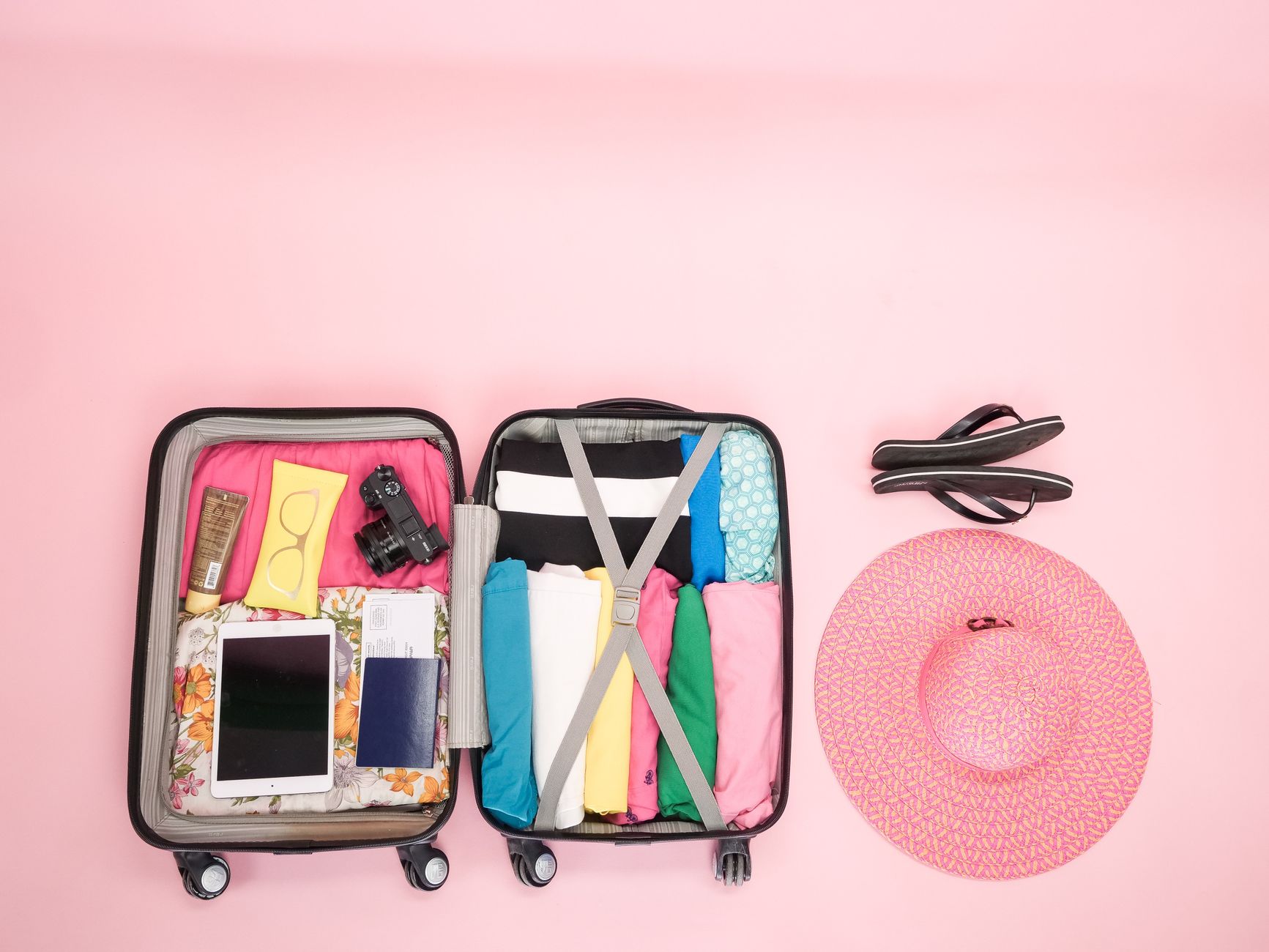
If you have ever packed a suitcase and still felt like you had nothing to wear, a travel capsule wardrobe can change your trips. A capsule is a tight edit of clothes and accessories that coordinate with each other, forming an easy system that fits in a carry-on yet yields many outfit combinations. In this guide, you will learn how to choose colors, fabrics, silhouettes, and footwear; how to adapt the capsule for seasons and trip types; how to care for clothes on the road; and how to use outfit formulas that make getting dressed as simple as choosing a base, a layer, and a personality piece.
Why the capsule approach works for travel
Travel throws constraints at you: airline weight limits, unpredictable weather, unfamiliar dress codes, and tight schedules. A capsule approach reduces decision fatigue and makes those constraints easier to manage. Because every top pairs with every bottom and layers cooperate, you gain outfit flexibility without carrying duplicates. The mathematics is simple: three tops, three bottoms, and two layers that all mix can already create more than a dozen looks before you even add dresses, shoes, or accessories.
The capsule also anchors your style in a cohesive color story and silhouette line, so photos from different days look intentional rather than random. That cohesion shows up in packing as well. When your palette is harmonized, one pair of shoes works across outfits, one belt ties looks together, and one scarf links colors. The result is less bulk in the bag and more ease in the morning.
There is a mental benefit too. When your case holds only pieces you enjoy and know how to combine, you spend less time planning and more time experiencing. You can also respond better to surprises: a sudden dinner invitation, an unexpected cold front, or a spontaneous day trip. Your system does not rely on a single perfect outfit; it relies on building blocks that rearrange in seconds.
Think of a capsule as a set of rules that reduces friction. The rules are simple: choose a tight palette, limit silhouettes, favor layers that work together, and select footwear that supports your itinerary. Within those rules, you still have room for personality pieces—bold earrings, a patterned scarf, or a playful bag—that refresh the same base over and over.
travel capsule wardrobe checklist
Use this checklist as a starting template. Edit the numbers up or down based on trip length, access to laundry, climate, and personal style. The list assumes you want to pack in a carry-on for about a week with laundry once midtrip. If you are traveling longer, focus on clothes that wash and dry quickly rather than adding many duplicates.
- 3 tops: a knit tee, a blouse or shirt, and a long-sleeve or lightweight sweater
- 2 bottoms: one pair of trousers or chinos, one pair of jeans or a skirt (choose silhouettes you can dress up and down)
- 1 one-piece: a casual day dress or a jumpsuit that layers under a cardigan or blazer
- 2 layers: a light cardigan or overshirt and a smarter jacket or unstructured blazer
- 2–3 pairs of shoes: one walking shoe, one smart casual shoe (loafer, low heel, or dressy flat), optional sandal or weather-appropriate boot
- 1–2 scarves or bandanas for warmth and color linking
- 1 belt that works with all bottoms
- 1 compact umbrella or packable rain shell (season dependent)
- Undergarments and socks for 4–6 days, plus a small laundry kit
- Sleepwear that doubles as an at-home lounge set
- Accessories: minimal jewelry that stacks or layers, a watch, and a packable hat
- Bags: a crossbody for day, a slim tote or packable backpack, and a compact organizer pouch
Tailor the capsule by identifying your daily habits. If you run, substitute one top for a technical tee and pack lightweight running shoes that also work for walks. If you expect meetings, swap the cardigan for a fluid blazer and choose crease-resistant trousers. If you plan to hike, replace the dress with trail pants and an extra base layer. A capsule remains efficient when each piece supports multiple contexts.
To help numbers feel concrete, map them to days. If your trip covers seven days with one laundry cycle, plan for four to five base tops (counting what you wear in transit), two bottoms, and two layers. Rotate shoes: a walking pair on the heaviest sightseeing days, a smarter pair for dinners and lighter city strolls, and one climate-specific pair if needed. Small accessories—earrings, a silk scarf, a belt—deliver mood change without consuming space.
Build a cohesive color palette
Color is the engine behind a capsule’s versatility. Pick one dark neutral, one light neutral, and one to two accent colors. The dark neutral (navy, charcoal, chocolate, or black) does the heavy lifting for bottoms, outerwear, and shoes. The light neutral (ivory, beige, heather gray, pale blue) handles tops and mid-layers. Accents express mood: terracotta for warmth, forest for earthiness, cobalt for crisp energy, or blush for softness. If you prefer prints, select small-scale patterns that include your neutrals so they harmonize across outfits.
Two simple tests validate your palette. First, lay the items flat and check whether each top works with each bottom without clashing. Second, evaluate shoes and outer layers against the entire set. If the same pair of shoes looks odd with more than one outfit, you may be mixing undertones (cool vs warm) or intensity (muted vs saturated). A quick fix is to keep accents in accessories and let clothing stay neutral. Scarves, belts, hats, and jewelry are low weight but strong visually.
When you need to shoot photos or feel polished in city environments, lean toward a core of cool or warm tones rather than mixing them. For beach destinations, sun-bleached accents like coral and sea-glass tones fit naturally. For mountains, richer forest, rust, and cream echo the landscape. Picking accents that mirror your itinerary makes outfits look deliberate in pictures and in person.
Palette building does not demand buying a full new wardrobe. Many closets already contain a functional palette; the trick is editing. Pull everything you might pack onto one bed. Group by color family. Remove items that pair with only one other piece or that require a special shoe you are not bringing. What remains will reveal your natural palette. Fill any gaps with simple, high-frequency items rather than statement pieces.
Fabrics and easy garment care on the road
Fabric choice determines comfort, durability, and how well clothes travel. Knit tees in combed cotton or cotton-modal breathe well and layer smoothly. Merino blends or performance knits help manage odor and regulate temperature, useful for trips with big swings between air-conditioned interiors and humid streets. Blouses in Tencel lyocell, silk-cotton blends, or fine viscose drape elegantly and pack small. Bottoms made from cotton-nylon blends or stretch twills resist wrinkling and hold shape during long days of walking or sitting.
To reduce wrinkles, prioritize fabrics with stretch and structure. Unstructured blazers in knit ponte, travel suiting blends, or half-lined wool can be rolled and reshaped with steam. For dresses and skirts, look for rib knits or soft jersey. If you love linen, choose blends with cotton or rayon; they soften the crease without losing the relaxed look. Denim with 1–2% elastane keeps shape better over multiple wears than rigid denim.
A compact care routine keeps the capsule in rotation. Pack a small bottle of delicate wash concentrate, a travel-sized fabric refresher, and a universal stain stick. A sink wash of knitwear at night, rolled in a towel and hung near ventilation, often dries by morning in dry climates. To revive clothes, hang them during a hot shower or use a tiny steam device rated for travel. A microfiber cloth doubles as a pressing cloth to smooth collars and hems with a hotel iron. Replace full laundry cycles with targeted refreshes; it saves time and extends fabric life.
Care extends to your shoes and outerwear. A few drops of leather conditioner bring back luster after a dusty day. A small brush lifts dried mud from soles. Tuck a deodorizing sachet in each shoe overnight. For rain shells, a quick rinse in the sink removes grime and helps maintain water beading. For knitwear, use a mini fabric shaver to tidy pills so sweaters continue to look neat in photos and at dinner.
Seasonal variations without overpacking
Adapting the capsule to seasons is less about adding items and more about swapping fabric weights and outerwear. For spring, build around breathable layers: a long-sleeve tee, light sweater, shirt-jacket, and a trench or rain shell. Accents like pastel or botanical scarves energize neutrals. Three-quarter sleeves bridge cool mornings and warm afternoons. Bottoms can switch to lighter chinos or cropped jeans, with loafers or leather sneakers as flexible footwear.
In summer, minimize layers and emphasize airflow. Replace the sweater with a second breathable top (linen blend or gauze cotton), add a day dress that moves from sightseeing to dinner, and consider a packable sunhat. Shoes pivot to breathable sneakers and a supportive sandal. Your palette can handle brighter accents because natural light is strong; a cobalt scarf or coral belt adds punch without overwhelming the outfit. A light overshirt in chambray or seersucker offers sun coverage without trapping heat.
Autumn asks for warmth and texture. Swap the trench for a wool coatigan or compact puffer. Add a second long-sleeve knit and a scarf in a saturated earth tone like rust or olive. Bottoms can move to heavier denim or twill. Leather or water-resistant shoes handle damp leaves and light rain. If dinners or events are on the schedule, a fine-gauge turtleneck under a blazer reads polished and practical. A thin beanie compresses to nothing in a pocket yet helps handle chilly evenings.
Winter calls for focused insulation without bulk. Start with heat-retaining base layers, then your usual tee or shirt, topped by a merino sweater and a down or synthetic puffer that compresses in the case. Choose a scarf, beanie, and gloves within your accent color. Footwear should be weather-ready—consider short insulated boots with sleek lines that still match trousers. Reduce the number of tops if they are thicker; the layering system provides variety while keeping you comfortable in cold air and heated interiors.
Rainy shoulder seasons can be tricky, so think in systems: breathable waterproof outer layer, mid-weight insulating layer, and quick-dry base. Keep hems off wet sidewalks by using cropped or tapered bottoms, or fold a neat cuff on straight-leg jeans. For destinations with dramatic diurnal shifts (desert, high altitude), include a lightweight packable down vest that slips under any jacket without adding much weight.
Trip types and dress codes
Itineraries vary, so shape the capsule to your primary activities. For city breaks, pick pieces that transition from museums to dinner: trousers with clean lines, a refined sneaker, and a light blazer that dresses up a simple tee. For coastal holidays, focus on breathable fabrics, a day dress that doubles as a cover-up, and sandals that are comfortable for hours on boardwalks. For countryside and hikes, ground the capsule in trail-friendly pants, a moisture-wicking base layer, and a packable rain shell that still looks tidy in cafés.
Business travel blends polish with practicality. A travel blazer, crease-resistant trousers, and two shirts or blouses that photograph well on video calls are essentials. Add a knit top that layers under the blazer, and choose one shoe that reads professional but still handles commutes. Keep jewelry simple and consistent—a small hoop or stud, a delicate chain, and a watch—to streamline mornings. If a formal dinner appears on the calendar, pack one special accessory such as a silk scarf or a slim belt to elevate a basic outfit.
Unfamiliar dress codes are easier to navigate when you plan adjustable levers: footwear change, outer layer swap, and accessory add-ons. A silk scarf, a foldable clutch, and a sleek belt shift the vibe of jeans and a tee to smart casual. If the environment turns out to be more relaxed than expected, omit the belt and scarf and use your crossbody bag. If it is more formal, add the scarf, switch to the smarter shoe, and button the blazer. This approach avoids packing a single-purpose outfit that never gets worn.
When cultural norms differ, aim for respectful flexibility while staying cool and comfortable. Lightweight long sleeves and midi lengths offer sun coverage and modesty without adding heat. A scarf can cover shoulders when needed and act as a wrap in air-conditioned spaces. Neutral palettes and simpler accessories tend to blend in, which can be useful in conservative settings or when visiting religious sites.
Footwear strategy: comfort first, style smart
Shoes can make or break a trip, so build around comfort and compatibility. One supportive walking shoe is foundational—leather sneakers, cushioned loafers, or low-profile hikers depending on terrain. Then add a dressier option that still supports a full day on your feet. Many travelers choose a sleek loafer or block-heel that pairs with trousers and dresses. In hot weather, a supportive sandal with a stable sole handles cobblestones and boardwalks. In cold or wet climates, short waterproof boots balance function and style.
Match shoe color to your palette’s dark neutral so every outfit connects. If your base is navy, consider deep navy or dark gray shoes; if your base is charcoal or black, keep footwear dark and streamlined. Insert thin insoles if you want extra cushioning and test shoes for a week at home before the trip. Finally, micro-pack shoe care: a small cloth, quick-dry wipes, and a tiny dab of conditioner keep leather looking sharp with minimal effort.
For itinerary-specific adjustments, think about surfaces and activities. Urban days with polished floors and sidewalks suit leather sneakers and loafers. Rural days with trails and gravel suit grippy soles and protective uppers. Beach towns deserve non-slip sandals and a spare pair for wet conditions. If you plan formal events, coordinate your dress shoe with your belt and watch strap for a cohesive look with minimal extras.
Accessories: the outfit multipliers
Accessories allow maximum visual change with minimal space. Scarves add color and texture, rings and bangles add shine and movement, and belts define shape over layers. Choose one statement piece that anchors multiple outfits and a few subtle pieces that stack. In a neutral capsule, a color-rich scarf becomes the bridge to an accent; in a colorful capsule, a metallic or tortoiseshell accessory brings cohesion.
Hats serve both style and function. A packable felt hat in shoulder seasons or a crushable straw hat in summer offers sun and light rain coverage and elevates photos. Sunglasses define the mood of a look; retro frames feel playful, angular frames read modern, and round frames soften sharp tailoring. Use a small pouch to corral jewelry inside your bag, and consider a light tote that folds flat for markets or picnics.
Bags are a key design lever. A slim crossbody works for daily wear and airport navigation. A soft tote or packable backpack handles groceries, beach gear, or layers. Keep handles and hardware in the same metal tone as your jewelry so everything feels thoughtfully put together without extra pieces. If you like variety, swap straps on the crossbody—one neutral leather strap and one woven strap provide two different looks for almost no added space.
Packing techniques that protect your capsule
How you pack matters as much as what you pack. Use packing cubes to organize by category: tops in one, bottoms in another, undergarments and laundry kit together, and accessories in a flat pouch. Rolling garments reduces creasing and makes items easy to browse. For structured pieces like a blazer, fold shoulders together and roll around soft items to cushion the shape. Place shoes heel-to-toe in a separate bag and tuck socks inside to maintain structure.
Put the heaviest items near the case wheels to stabilize, and keep your first outfit at the top for quick access after a late arrival. A compact laundry bag separates worn items during the trip. To keep your capsule smelling fresh, slip a cedar block or a small sachet into a cube. If you plan multiple hotel changes, pre-pack outfits in larger cubes and move them directly into drawers to cut unpacking time.
Your personal item can carry high-frequency essentials: tote-sized pouch with passports and documents, large scarf that doubles as a wrap and a blanket, and a soft pouch for chargers and earbuds. If you bring a laptop or camera, use a padded sleeve that slides into your tote so you are not locked into a heavy camera bag for the entire trip. For planning tools and destination logistics that pair well with a streamlined packing plan, browse the travel planning resources at Tourism Planning World. It is easier to keep a capsule tight when your route and activities are clear.
On-the-road laundry and refresh
With a small kit, you can travel comfortably with the same capsule for weeks. A concentrated detergent for delicates, a stain stick, and a universal drain stopper cover most needs. Wash knit tees, socks, and undergarments in the sink, then roll them in a towel and step on it gently to press out water. Hang pieces near airflow; a hanger clipped to the shower rod or a travel clothesline hung across the room works well. In humid climates, place items near a fan or air-conditioning vent to speed drying.
To refresh structured items, steam them in a closed bathroom while you shower or use a compact steamer if permitted. Spritz the inside of jackets with a fabric refresher and let them air. Spot clean rather than full wash whenever possible. A small brush lifts dust from shoes and jackets, and a lint roller ensures dark bottoms stay crisp between washes. If you spill something on the road, blot first, treat gently with a stain solution, and rinse with cool water.
Plan a light midtrip laundry day if your itinerary allows. Many hotels partner with same-day services, and self-service laundromats are efficient in cities. If you wash at a friend’s or rental home, clean delicate items first to avoid cross-tint, then do a single combined load of sturdier pieces. Fold immediately to reduce wrinkling and rebuild your capsule cubes as soon as items are dry. A routine like this keeps your set in circulation so you do not need backup outfits.
Outfit formulas and a simple 10×10 challenge
Outfit formulas keep dressing fast and consistent. Start with a base: either a top and bottom or a one-piece like a dress. Add a layer for weather or polish. Finish with a personality piece: a scarf for color, a belt for shape, or jewelry for shine. Because the capsule is pre-coordinated, these steps work in any order and still produce balance. Write your favorite formulas on a notes app so busy mornings stay calm.
Try a 10×10 mini challenge to test your mix-and-match power. Choose 10 items (7 garments and 3 pairs of shoes) and create 10 outfits across 10 days. A sample set might include: a white tee, a striped knit, a silk-like blouse, trousers, dark jeans, a midi dress, a cardigan, leather sneakers, loafers, and supportive sandals. Here are example combinations to spark ideas:
- Day 1: White tee + dark jeans + cardigan + sneakers + scarf
- Day 2: Striped knit + trousers + loafers + belt
- Day 3: Midi dress + cardigan + sandals + pendant necklace
- Day 4: Blouse + jeans + loafers + silk scarf as belt
- Day 5: Tee + trousers + blazer (if packed) + sneakers
- Day 6: Dress layered over tee + sandals + straw hat
- Day 7: Blouse + trousers + loafers + statement earrings
- Day 8: Striped knit + skirt (sub for jeans if you prefer) + sandals
- Day 9: Tee + jeans + cardigan tied at shoulders + loafers
- Day 10: Blouse tucked into jeans + sneakers + scarf
As you document looks, notice which shapes and pairings feel most you. Use that feedback to fine-tune the permanent capsule you rely on for future trips. Perhaps trousers become pleated instead of flat-front, or the blazer shifts from structured to knit. This iteration loop is small and easy, and each refinement saves time on your next packing session.
Mistakes to avoid and smart upgrades
Overpacking is a classic pitfall. It often starts with “just in case” items that duplicate functions you already covered. A smarter path is to pack dual-purpose pieces: a dress that layers over a tee, a scarf that works as a wrap, shoes that handle daytime walks and evening dinners. Avoid single-use heels, a second bulky jacket, or a fifth top in a color that matches nothing. Let your itinerary and palette set gentle limits.
Another common issue is ignoring climate specifics. Check daily and nightly temperatures, wind, and precipitation, then adjust fabric weights and outerwear. If weather swings are wide, rely on layers rather than a single heavy piece. Similarly, skipping footwear tests can lead to blisters that derail plans. Wear your shoes for a week of errands before they make the packing cut, and add low-profile blister patches to your kit just in case.
Consider a few smart upgrades that pay off on many trips. A wrinkle-resistant blazer elevates outfits and withstands travel. Merino-blend tees extend wear time between washes. A compact steamer speeds refreshes when irons are unreliable. A tiny sewing kit with pre-threaded needles and a few buttons rescues mishaps, and a set of reusable zip pouches separates damp items without plastic waste. Packing cubes with compression zippers create order while preserving structure.
Finally, think about sustainability as longevity and intention. Choose well-made pieces you enjoy at home and away, care for them so they last, and repair rather than replace. A thoughtful capsule saves time, baggage fees, and closet churn while focusing your attention on experiences. When your clothing supports the trip instead of distracting from it, travel becomes lighter in every sense.
Budgeting, sourcing, and tailoring your capsule
Building a capsule is less about buying everything at once and more about assembling durable building blocks over time. Start by shopping your closet. Identify the items you reach for weekly, then find their travel-ready equivalents: the tee that layers smoothly, the knit that resists pilling, the shoe that handles long walks. Early purchases should target high-frequency categories—tops, bottoms, and footwear—before chasing special pieces.
When you do shop, balance price and performance. Many midrange brands offer travel-friendly fabrics and reliable fits without luxury markups. If a piece will be worn repeatedly—such as a neutral blazer or leather sneaker—consider investing where construction quality shows. In contrast, accent scarves and belts can be affordable; their function is visual linking rather than heavy-duty wear. Vintage and consignment stores are excellent sources for wool coats, silk scarves, and quality leather belts that already proved their durability.
Fit is the most powerful styling tool in any wardrobe. A simple tailoring pass can transform a good piece into a favorite: hemming trousers to skim your shoe, nipping a blazer waist for shape, or shortening sleeves to a more flattering line. If you are between sizes, choose the size that fits the broadest area of your body and tailor the rest. In travel, streamlined fits also reduce packing volume because there is less excess fabric to wrinkle and crush.
Wardrobe math: planning outfits with intention
Outfit math is a practical way to check how far your capsule stretches before you pack. Start with the mix matrix: list tops horizontally and bottoms vertically, then mark combinations that feel balanced. If each top pairs with both bottoms and the dress layers under at least one outer layer, you already have a robust set. Add shoes to the matrix to confirm that both your walking shoe and your smarter shoe work with most combinations. Where any square of the matrix feels weak, adjust the palette, swap a silhouette, or change an accessory.
Plan for your actual days, not an idealized version of the trip. Sketch a quick calendar and assign activities: transit, sightseeing, hiking, business meetings, dinners, beach days. For each day, write a formula such as “base tee + trousers + blazer + loafers” or “dress + cardigan + sandals.” Double-duty outfits reduce volume: the same trousers can handle a museum day and a dinner if the top and accessories change. High-frequency repeats are fine when the overall look shifts through layers and small details.
To avoid midtrip boredom, give yourself two personality switches. Examples include a striped knit that livens up solids, a patterned scarf that ties accents together, or a bold earring set that changes the vibe of basic tees. These have outsized impact in photos and at dinner, yet they weigh almost nothing. If your trip includes a special event, choose a hero accessory that gracefully elevates the capsule rather than packing a single-use dress or suit.
Safety, practicality, and weather surprises
Practical details keep a capsule working under real-world stress. Choose a crossbody bag with a secure closure and an adjustable strap that fits across outer layers. Use an under-clothes pouch or belt wallet for passports and cards in crowded areas. If your destination is rainy or dusty, include a small packable tote to shield your crossbody bag when needed. A mini first-aid pouch with bandages and a couple of pain relievers lives comfortably in your day bag without weighing you down.
Weather surprises are easier to handle when your capsule has a shock absorber. In warm places with sudden storms, a light rain shell that fits over your cardigan or blazer keeps the rest of your outfit dry. In cool places with cold mornings and sunny afternoons, a thin down vest under a jacket adds removable insulation. A compact umbrella that doubles as a sun umbrella is a useful dual-purpose accessory in both shoulder seasons and high-sun destinations.
Finally, bring a few tiny tools that punch above their weight: a luggage-scale keychain to confirm carry-on weight, a roll of narrow fashion tape for temporary hems or gaping buttons, and a small mesh bag to wash delicates in sinks or machines without damage. These items keep your wardrobe in service so you can focus on the trip rather than on wardrobe hiccups.
Sustainability and maintenance for long-term use
A capsule rewards repeat use, so maintenance routines matter. Rotate shoes daily when possible to let insoles air out. Rinse socks in the sink on heavy walking days so your next day starts fresh. Shake out woven garments after wear and let them rest on a hanger for a few hours before folding; this reduces wrinkle set-in and keeps fibers resilient. Back at home, launder gently, reshape knits flat, and give leather a light conditioning seasonally.
Repair extends the lifetime of your favorite pieces. Learn a basic hand-stitch for loose buttons and a quick ladder stitch for small seam openings. Keep a neutral thread card in your kit and pre-thread two needles in advance. For scuffs on leather shoes, a small color-matched cream blended with a microfiber cloth makes a noticeable improvement. When you outgrow or retire items, resell or donate them and note what you repurchase; those patterns identify your true uniform.
Thoughtful habits reduce waste on the road. Refill travel bottles rather than buying single-use toiletries each time. Pack a reusable shopping bag for groceries and markets. Choose natural-fiber socks that survive repeated washing without losing comfort. Over time, these habits save money and space, and they help keep your capsule consistent in texture and tone.
Putting it all together
Start with a clear palette. Choose silhouettes that layer effortlessly. Select footwear for the surfaces you will walk. Add two or three accessories that shift mood without adding weight. Pressure-test the set with outfit math and a day-by-day sketch. Pack using cubes and a simple refresh kit. With these steps, travel mornings become simple, your photos look cohesive, and your suitcase feels pleasantly light.
A travel capsule wardrobe is not about rules for their own sake; it is a way to remove friction from your days so you can focus on food, conversation, landscapes, and art. When your clothing supports your plans with minimal effort, you will notice the difference: fewer decisions, fewer backups, and more space in your bag—and in your head—for the reasons you took the trip in the first place.