Housekeeping duties are the routine tasks that keep spaces clean, sanitary, organized, and stocked—typically including dusting and surface care, vacuuming and mopping, bathroom and kitchen sanitizing, trash removal, bed-making and laundry, restocking supplies, and reporting maintenance issues. If you only need the bottom line: use the tables and checklist below to plan work by room and setting, note what’s extra, and estimate time ranges for standard vs. deep cleans.
Duties vary by setting. Hotels focus on fast, consistent guest room turns and public areas; homes usually add laundry, linens, and organization; offices emphasize floors, restrooms, and waste and recycling. As a quick rule of thumb, a standard bedroom often takes 15–30 minutes, a bathroom 15–25 minutes, a kitchen 20–35 minutes; deep-clean versions can take 2–3 times longer. The room-by-room table below spells out tasks, frequencies, tools, and QA checks.
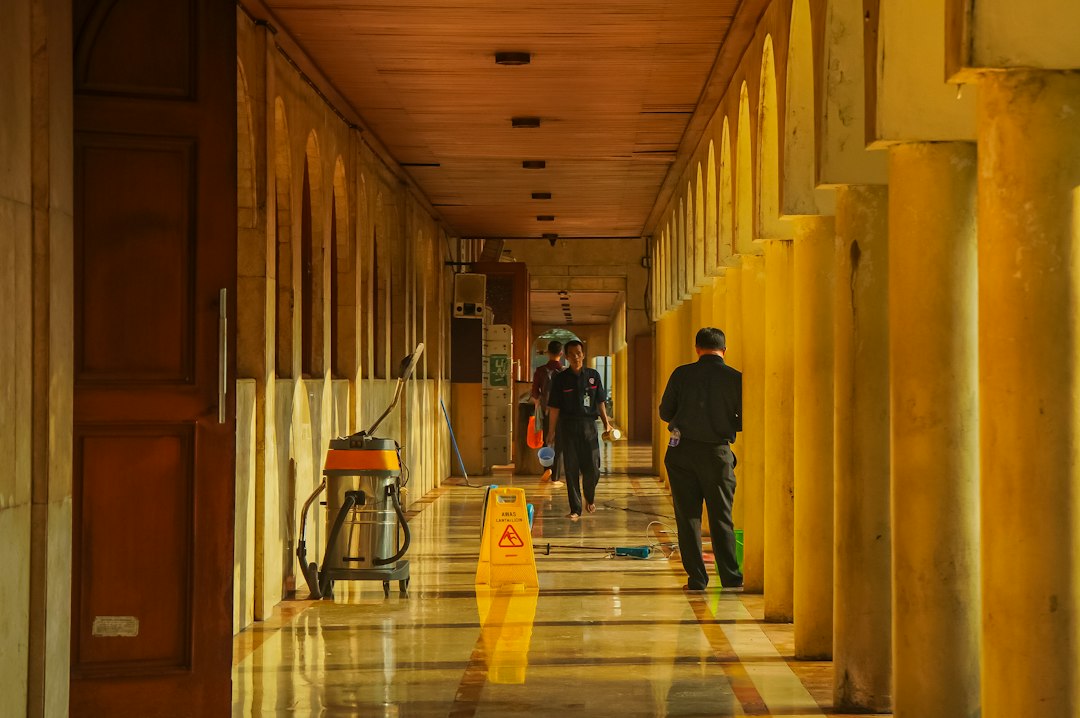
Housekeeping duties: the short answer
The core of the job is consistent, repeatable routines done in a safe sequence. Expect these universal tasks across settings:
- Dust and wipe high-touch surfaces; vacuum, sweep, and mop floors.
- Sanitize bathrooms (toilets, showers, tubs, sinks, fixtures) and kitchens (sinks, counters, appliance exteriors).
- Remove waste and recycling; restock paper goods, soaps, and amenities.
- Make beds; change linens; handle basic laundry and ironing where applicable.
- Clean common/public areas; maintain carts and closets; report hazards or damage.
- Track supplies and inventory; log room status and lost-and-found (hospitality).
Scope boundaries matter. Most standard cleans exclude exterior windows, carpet shampooing, grout restoration, pest-related cleanup, and heavy lifting. Those are add-ons that need scheduling and pricing. You’ll also see escalation tasks like descaling, oven and fridge interiors, and upholstery steaming counted as periodic deep cleans. The tables below show typical frequencies and when to batch them.
Room-by-room housekeeping checklist (with frequencies and time estimates)
Use this table to plan daily vs. periodic work and estimate realistic times. Standard clean times assume a tidy space, minimal clutter, and stocked supplies. Deep cleans add appliance interiors, descaling, moving light furniture, and detail work.
| Area/Task | Frequency | Standard Clean Time | Deep Clean Cadence | Supplies/Tools | QA Check |
|---|---|---|---|---|---|
| Kitchen: counters, sink, appliance exteriors, floor | Daily/Every visit | 20–35 min | Monthly: oven/fridge interior; quarterly: cabinet fronts | Degreaser, microfiber cloths, mop, gloves | No film on counters, sink drains clear, floor streak-free |
| Kitchen: oven interior, fridge interior, backsplash detail | Monthly or on request | 30–60 min | Seasonal deep clean | Baking-soda paste, plastic scraper, fridge-safe cleaner | No residue, shelves dry, rubber seals intact |
| Bathroom: toilet, tub/shower, sink, mirrors, floor | Daily/Every visit | 15–25 min | Monthly: descale showerhead, grout detail | Acid-safe bathroom cleaner, glass cleaner, brush set | No visible soap scum, mirror streak-free, chrome shines |
| Bathroom: descaling and grout detail | Monthly/Quarterly | 30–50 min | Quarterly deep clean | Descaling gel, grout brush, PPE | Uniform grout color, no hard-water spots |
| Bedroom: dust, surfaces, bed-making, floor | Daily/Every visit | 15–30 min | Seasonal: mattress rotate, under-bed detail | Microfiber cloths, vacuum with crevice tools | Hospital corners, no dust on headboard/lamps |
| Linens: change sheets and pillowcases | Per turnover or weekly at home | 5–10 min/bed | As needed for stains | Fresh linen set, laundry bag | Fresh scent, correct sizes, no wrinkles on top sheet |
| Living room: dust, wipe remotes, polish fingerprints, floor | Daily/Every visit | 15–25 min | Quarterly: upholstery steaming, baseboard detail | Dusting wand, screen-safe cloth, vacuum | Smudge-free screens, crumb-free seating |
| Public/common areas (hallways, lobbies) | Daily | 10–20 min per 500 sq ft | Monthly: high dusting | Lobby broom, mop, high-dusting pole | Entry mats clean, edges free of debris |
| Office: restrooms (multi-stall) | Daily | 12–20 min | Monthly: descale fixtures | Disinfectant, toilet bowl acid cleaner, PPE | Dispensers stocked, partitions wiped, floors dry |
| Office: breakroom/cafe | Daily | 10–20 min | Monthly: microwave/fridge interiors | Food-safe cleaner, microfiber, mop | Crumb-free counters, sink dry, bins emptied |
| Trash and recycling | Daily/Every visit | 3–8 min per area | As needed: bin washing | Can liners, sanitizer, gloves | Correct bag color, lids wiped, no leaks |
| Laundry (home/hotel back-of-house) | Per schedule | 5–10 min load/unload + cycle time | As needed: stain protocol | Detergent, color catcher, mesh bags | Sorted properly, stains pretreated, linens folded to spec |
Bathroom order matters to avoid cross-contamination: start with mirrors and high dusting, then sink, shower/tub, and finish with the toilet and floor. In kitchens, work high to low and dry to wet: declutter, dust high areas, wipe appliances, do sink and counters, then floor last.
How duties change by setting: home, hotel, and office
Each environment sets priorities and boundaries. Use this scope matrix to align expectations before work starts.
| Setting | Typically Included | Common Add-Ons (extra fee/scheduling) | Not Included by Default |
|---|---|---|---|
| Home (residential) | Room cleaning, dishes load/unload, bed-making, laundry rotation, light organizing | Inside oven/fridge, interior windows, baseboard detail, declutter projects | Exterior windows, carpet shampoo, hoarding cleanup, heavy furniture moving |
| Hotel (hospitality) | Guest room turns, linen changes, amenity restock, public areas, lost-and-found logging | Upholstery steaming, periodic mattress rotation, deep bathroom descaling | Personal guest laundry (unless offered), large item repair, pest-related cleanup |
| Office (commercial) | Restrooms, floors, waste and recycling, breakroom wipe-down, glass spot cleaning | Conference room detail, interior glass wall washing, floor machine work | Employee desk paper sorting, IT hardware cleaning beyond dusting |
For hospitality managers planning standards and resourcing, this overview pairs well with operational guidance in Hotel accommodation planning: a practical 2026 guide for owners and planners. If your property emphasizes wellness or eco practices, see Sustainable Hotel Accommodation: A Practical Guide for 2026 for supply choices and waste reduction ideas that plug into daily housekeeping.
Standard clean vs. deep clean: what’s included and when to schedule it
Standard cleaning is the high-frequency routine that keeps a space guest-ready day to day. Deep cleaning addresses buildup, interior appliances, scale, and low-traffic edges. Here’s how to separate them and plan cadence.
- Standard clean usually covers: dusting reachable surfaces, wiping counters and fixtures, vacuum/sweep/mop floors, sanitizing bathrooms, bed-making, and trash.
- Deep clean adds: oven and fridge interiors, inside cabinets/drawers (emptied by client/guest), descaling showerheads and taps, grout detail, baseboards and vents, upholstery steaming, and under/behind movable furniture.
- When to schedule: monthly for heavy-use areas (bathrooms, kitchens), quarterly for whole-home/hotel deep cycles, and after move-outs, renovations, or a run of long-stay guests.
- Time implications: expect 2–3x the standard time for deep work. Batch deep tasks by zone on slower days to minimize downtime.
Tip: If staff must move furniture, define what counts as “light” (e.g., dining chairs, end tables) vs. “heavy” (sofas, armoires) and put it in writing to avoid unsafe lifting.
Skills, standards, and QA: how to deliver consistent results
Strong housekeeping looks effortless because the workflow reduces rework and cross-contamination. Train for skills, then lock in outcomes with inspection habits.
- Core skills: attention to detail, time management, sequencing, safe chemical use, and customer service (knock policy, guest privacy, neutral room demeanor).
- Sequencing: top-to-bottom and dry-to-wet. In bathrooms, clean “cleanest to dirtiest” and finish with the floor. Change cloths or color-coded tools between zones.
- Inventory and cart: start each shift with a full cart and par levels; end the shift restocked for the next team. Use a simple count sheet.
- Reporting: log hazards, leaks, missing items, and room status promptly. Speed matters more than prose.
Simple inspection checklist (pass/fail per item):
- Surfaces: no visible dust or fingerprints on eye-level tops (TVs, headboards, switches).
- Bathroom: glass streak-free; fixtures shine; corners free of hair; paper goods stocked.
- Bed: smooth top sheet; pillows aligned; under-bed visibly clean from entry angle.
- Floors: clear edges; no puddles or streaks; entry mats aligned.
- Smell: neutral. If scented products are used, they should be minimal.
Guest-facing teams benefit from hospitality awareness. For tips that help align service and guest expectations, see Top Tips And Advice For The Best Hotel Stay.
Write or tailor a housekeeping job description or resume
Hiring or applying? Map skills to impact with measurable bullets. Use the table to plug in lines for job posts and resumes.
| Skill | Example Resume Bullet | Metric/Result |
|---|---|---|
| Time management | Completed guest room turns within brand standard sequencing across a mixed room block | 18–22 rooms/shift; 95% on-time |
| Quality assurance | Maintained pass/fail room inspection checklist with rework logged and resolved same day | 98% inspection pass; rework under 2% |
| Customer service | Handled guest requests and amenity restocks with documented follow-through and privacy protocols | Post-stay scores +0.3 points |
| Safety and chemical handling | Used color-coded tools and labeled solutions; followed dwell times for sanitizing | Zero recordable incidents |
| Inventory control | Tracked linen and amenity par levels; flagged variances and shrink | Supply waste down 10–15% |
| Team leadership (for leads/supervisors) | Scheduled routes, inspected rooms, coached new hires on sequencing and standards | Ramp-to-standard in 10 shifts |
Plug-and-play duty bullets for job descriptions:
- Execute daily room cleaning standards (dust, surfaces, floors, bathrooms, bed-making) within assigned time windows.
- Restock amenities and paper goods; maintain carts and closets to par levels.
- Report hazards, damage, and maintenance needs using the property’s ticket system.
- Follow color-coded tools and top-to-bottom, dry-to-wet sequencing to reduce cross-contamination.
- Handle laundry cycles, sorting, and folding/finishing to brand spec (as applicable).
- Support deep-clean cycles (oven/fridge interiors, descaling, grout detail) per schedule.
Housekeeping supervisor role (scope overview): set daily boards, allocate rooms, verify carts, run inspections, close tickets with maintenance, train on standards, track inventory, and complete end-of-day reports with variance notes.
Sample daily schedules and workload planning
Adapt these sample blocks to your property or household. Build in micro-breaks and a mid-shift restock to keep quality steady.
| Setting | Time Block | Tasks/Sequence | Notes |
|---|---|---|---|
| Home (4-hour visit) | 0:00–0:20 | Walkthrough, clutter scooped into bins, start first laundry load | Set timer to swap at 45–60 min |
| Home | 0:20–1:00 | Kitchen standard clean (counters, sink, appliance exteriors, floor) | Pre-treat oven if deep task is scheduled |
| Home | 1:00–1:40 | Bathrooms (mirror, sink, shower/tub, toilet, floor) | Swap laundry; start second load if needed |
| Home | 1:40–2:40 | Bedrooms and living areas (dust, bed-making, floors) | Fold laundry in last 10–15 min |
| Hotel (8-hour shift) | 0:00–0:20 | Pre-shift brief, cart check, supply par levels verified | Load amenity caddies; assign room block |
| Hotel | 0:20–3:20 | First room block: make up rooms to standard sequence | Mark DND and return later |
| Hotel | 3:20–3:40 | Mid-shift restock and quick break | Swap linens; refill chemicals |
| Hotel | 3:40–7:20 | Second room block + public area sweep | Final inspection on last two rooms |
| Office (after-hours, 6-hour route) | 0:00–0:30 | Restrooms first (stock, sanitize, floors) | Set wet floor signs |
| Office | 0:30–2:00 | Trash and recycling pull, conference rooms reset | Bag color codes matter |
| Office | 2:00–3:00 | Breakroom clean, spot glass | Microwave interior weekly |
| Office | 3:00–6:00 | Floors: vacuum then mop; final walkthrough | Lockup checklist |
If you manage a small property or boutique hotel and want to align housekeeping with brand and amenity choices, this overview complements What boutique hotel amenities say about a property, which can guide what to stock and how to present rooms.
FAQs about housekeeping roles
What are the primary duties of a housekeeper?
Daily cleaning of assigned areas (dusting, surfaces, floors), sanitizing kitchens and bathrooms, bed-making and linen changes, trash removal and restocking, light tidying/organization, and reporting issues. In hotels, add guest amenity setup, lost-and-found logging, and public area sweeps. In offices, focus on restrooms, floors, trash/recycling, and glass spot cleaning.
What skills should I list on a housekeeping resume?
Attention to detail, time management, safe chemical use, color-coded workflows, customer service, inventory handling, and (for leads) training and inspection. Use metrics—rooms per shift, inspection pass rates, or supply waste reduction—to make results tangible.
What are job description duties and responsibilities for housekeeping?
Execute daily standards within time windows; restock amenities; maintain carts; handle laundry as assigned; follow sequencing and color coding; report hazards and maintenance needs; support periodic deep cleans; comply with privacy and safety policies.
What is the role of a housekeeping supervisor?
Set room boards and routes, verify carts, coach on standards and sequencing, inspect rooms and public areas, log defects and maintenance tickets, monitor par levels, and complete end-of-shift reports. Supervisors translate standards into daily execution.
What are housekeeping duties in a hotel vs. a home?
Hotels optimize for speed and consistency across many similar rooms with strict amenity standards; homes include more laundry, organization, and family-specific routines. Offices prioritize restrooms, floors, and trash/recycling with access windows after hours.
What are basic housekeeping duties vs. deep cleaning tasks?
Basic duties cover high-frequency cleaning that keeps spaces presentable; deep tasks address buildup and interiors and are scheduled monthly or seasonally. Agree on add-ons in writing to avoid scope confusion.
Quick scope notes you can copy into an agreement
- Standard clean excludes exterior windows, carpet shampooing, and heavy furniture moving.
- Deep-clean items are scheduled separately and may extend visit time 2–3x.
- Client prepares areas by clearing cluttered surfaces before the visit where possible.
- Pets are secured; special instructions (allergies, preferred products) are provided in advance.
Clear, written scope prevents misunderstandings and protects both parties. With your plan and the checklists above, you can prioritize what gets done today and set the cadence for everything else.